
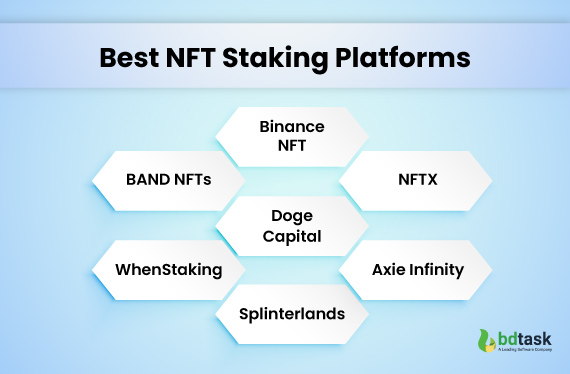
Imagine turning your digital art collection into a passive income stream, all while participating in the exciting world of Ethereum mining. Sounds like a dream, right? Well, it's becoming a reality with NFT staking platforms. But with so many options popping up, where do you even begin?
Navigating the NFT space can feel like traversing a minefield. You're juggling gas fees, security concerns, and the constant fear of rug pulls. Add in the complexity of Ethereum mining and the allure of staking your NFTs, and you've got a recipe for overwhelm. Finding a platform that's both reliable and profitable feels like searching for a needle in a haystack.
This guide aims to cut through the noise and highlight some of the best platforms for NFT staking within the Ethereum mining ecosystem. We'll explore what makes these platforms stand out, considering factors like security, rewards, user experience, and community support. So, buckle up, and let's dive into the world of NFT staking!
Ultimately, choosing the right platform for NFT staking in Ethereum mining is a personal decision. Consider your risk tolerance, investment goals, and level of technical expertise. This exploration covered aspects such as user experience, security measures, potential rewards, and community engagement offered by top platforms like Kira Network, NFTX, and Cometh. Remember to always do your own research (DYOR) before committing your valuable NFTs. The world of NFT staking is constantly evolving, so staying informed is key to maximizing your earnings and minimizing your risks.
My Personal Experience with NFT Staking
I remember the first time I dipped my toes into NFT staking. I had a Bored Ape that was just sitting in my wallet, looking pretty. I knew there had to be a way to make it work for me beyond just holding it. That’s when I started researching NFT staking platforms. I was immediately bombarded with information – APRs, APYs, lock-up periods, and all sorts of confusing jargon. It felt like learning a new language! I initially chose a platform that promised incredibly high returns, but looking back, it was a massive red flag that I ignored. Turns out, high returns often come with high risks. I ended up losing a decent chunk of ETH when the platform’s token crashed after a large dump.
That experience taught me a valuable lesson: due diligence is paramount. Now, I spend considerably more time researching the platform’s legitimacy, security audits, and community feedback before entrusting them with my NFTs. These days I much prefer a platform with a solid track record with reasonable staking returns. One platform that caught my eye as a second chance was Kira Network, which operates as an aggregator allowing you to stake on multiple platforms. You can use this to spread out your risk, while also having a single place to monitor your earnings across these multiple platforms. The UI is also very easy to navigate, which is very important to me given my first experience.
Understanding NFT Staking Platforms
At its core, NFT staking is a process where you lock up your NFTs on a platform in exchange for rewards. These rewards can come in various forms, such as the platform's native token, additional NFTs, or even a portion of the platform's revenue. The specific mechanics of staking vary from platform to platform, but the underlying principle remains the same: you're leveraging your NFTs to generate passive income. The concept closely resembles traditional staking in the crypto world, where you lock up your tokens to support a network and earn rewards in return. However, with NFTs, you're staking digital assets with unique characteristics and inherent value, adding another layer of complexity.
The rise of NFT staking has opened up new avenues for NFT holders to monetize their collections. No longer are NFTs simply collectibles; they're now potential sources of income. However, it's crucial to approach NFT staking with a clear understanding of the risks involved. Like any investment, there's always the possibility of losing your initial investment, especially if the platform you're staking on is not reputable. Due diligence is paramount.
The History and Myth of NFT Staking
While the concept of NFT staking seems relatively new, its roots can be traced back to the early days of De Fi (Decentralized Finance). The idea of using digital assets to generate yield has been around for a while, but it wasn't until the rise of NFTs that this concept was applied to unique digital collectibles. Some say the first NFT staking platform emerged as a result of a late-night brainstorming session between a group of crypto enthusiasts who were passionate about both NFTs and De Fi. Others believe it was a more gradual evolution, driven by the increasing demand for NFT utility. Regardless of its exact origins, NFT staking has quickly gained popularity, with new platforms and staking mechanisms emerging all the time.
There are plenty of myths surrounding NFT staking. One common misconception is that staking your NFTs is a guaranteed way to get rich quick. While it's true that some platforms offer attractive rewards, it's important to remember that these rewards are often tied to the platform's performance and the overall market conditions. Another myth is that all NFT staking platforms are safe and secure. Unfortunately, this is not the case. There have been several instances of platforms being hacked or rug-pulled, resulting in significant losses for users. This is why it's so important to do your research and choose a platform with a proven track record.
Unveiling the Hidden Secrets of NFT Staking
One of the biggest "secrets" of NFT staking is that not all platforms are created equal. Some platforms are more transparent than others, offering detailed information about their staking mechanisms, reward structures, and security protocols. Others are more opaque, making it difficult to understand how they operate. It's important to choose a platform that is transparent and provides you with the information you need to make informed decisions. Another hidden secret is that the rewards you earn from staking are often correlated with the value of the platform's native token. If the token's value declines, your rewards will also decrease. This is why it's important to consider the token's long-term potential before staking your NFTs.
Also, many fail to understand that the APR or APY that is flaunted is often not sustainable in the long run. A project will be incentivised to drive up adoption in the early days, and therefore will offer inflated staking returns. This isn't necessarily a bad thing, but you have to understand that this will most likely change over time. Keep your eyes on the prize in the long run and stay up to date with what's going on with the particular project. Finally, many newer investors don't even realise that staking returns are often taxed, so you need to stay on top of things from a tax perspective as well!
Recommendations for NFT Staking Platforms
When it comes to recommending NFT staking platforms, it's important to consider a variety of factors, including security, rewards, user experience, and community support. One platform that consistently receives high praise is Kira Network. This platform offers a wide range of staking options and has a strong track record of security and reliability. Another popular platform is NFTX, which allows you to create and stake NFT-backed tokens. This platform is particularly well-suited for users who want to diversify their NFT holdings and earn passive income. Cometh is another solid option, especially if you're interested in De Fi and yield farming. This platform allows you to stake your NFTs to earn COMET tokens, which can then be used to participate in various De Fi activities.
Ultimately, the best platform for you will depend on your individual needs and preferences. I can't stress enough the importance of doing your own research before making any decisions. Read reviews, compare platforms, and make sure you understand the risks involved. One thing I personally feel is important when choosing a platform is also the UI/UX. If a platform is confusing to use, then you're more likely to make a mistake when interacting with the platform. Given the permanence of the blockchain, a mistake can easily be fatal, especially if it is financial related. If you're new to NFT staking, it's a good idea to start with a platform that is easy to use and offers plenty of educational resources.
Delving Deeper: Key Considerations for Choosing a Platform
Beyond the specific platforms themselves, there are several key considerations to keep in mind when evaluating your options. First and foremost, security should be your top priority. Look for platforms that have undergone rigorous security audits and have a proven track record of protecting user funds. Check to see if the platform implements multi-factor authentication, cold storage for NFTs, and bug bounty programs. You should also investigate whether the project has any insurance in place in case of a hack.
Secondly, carefully evaluate the reward structure. Understand how the rewards are calculated, what types of rewards are offered, and how frequently they are distributed. Be wary of platforms that promise unrealistic returns, as these are often scams. Finally, consider the platform's user experience. Is the platform easy to navigate and use? Does it offer clear and concise information? Does it have a responsive customer support team? A good user experience can make the entire staking process much more enjoyable and less stressful.
Tips for Successful NFT Staking
To maximize your success in the world of NFT staking, here are a few tips to keep in mind. First, diversify your NFT holdings. Don't put all your eggs in one basket. By spreading your NFTs across multiple platforms and projects, you can reduce your risk exposure. Second, stay informed about the latest trends and developments in the NFT space. The market is constantly evolving, so it's important to stay up-to-date on the latest news and opportunities. Third, manage your risk carefully. NFT staking is not without its risks, so it's important to only invest what you can afford to lose. Don't let greed cloud your judgment and always be prepared to cut your losses if necessary.
Finally, don't be afraid to ask questions. The NFT community is generally very supportive and welcoming to newcomers. If you're unsure about something, don't hesitate to ask for help. Join online forums, attend virtual events, and connect with other NFT enthusiasts. The more you learn, the better equipped you'll be to navigate the world of NFT staking successfully.
Understanding Gas Fees and Ethereum Mining
A major factor influencing NFT staking rewards, particularly on platforms operating on the Ethereum network, is gas fees. Gas fees are the transaction fees required to execute smart contracts on the Ethereum blockchain, and they can fluctuate wildly depending on network congestion. High gas fees can eat into your staking rewards, making it less profitable to participate. This is why it's important to consider the gas fees associated with a platform before staking your NFTs. Some platforms may offer strategies to mitigate gas fees, such as batching transactions or using Layer-2 scaling solutions.
Ethereum mining, which is the process of verifying transactions and adding new blocks to the blockchain, is also closely tied to NFT staking. Many NFT staking platforms are integrated with Ethereum mining pools, allowing users to earn rewards in the form of ETH in addition to the platform's native token. As Ethereum transitions to a Proof-of-Stake (Po S) consensus mechanism, the role of traditional miners will diminish, and staking will become even more important. Understanding these dynamics is crucial for making informed decisions about NFT staking.
Fun Facts About NFT Staking
Did you know that some NFT staking platforms allow you to stake virtual land in the metaverse? That's right, you can earn passive income by staking your digital real estate. Another fun fact is that some platforms offer unique staking rewards, such as exclusive access to events or merchandise. The world of NFT staking is full of surprises and creative innovations. One project even partnered with a real-world art gallery, allowing stakers to earn a percentage of the gallery's sales.
The community of NFT stakers is also incredibly diverse and passionate. People from all walks of life are participating in this exciting new market, from artists and collectors to investors and developers. There are dedicated online communities where stakers can share their experiences, ask questions, and learn from each other. This sense of community is one of the most appealing aspects of NFT staking. Finally, the term “staking” itself is a clever analogy. It evokes the image of planting a seed and watching it grow, which is a fitting metaphor for the process of locking up your NFTs and earning rewards over time.
How to Get Started with NFT Staking
Ready to dive into the world of NFT staking? Here's a step-by-step guide to get you started. First, choose a reputable NFT staking platform. Do your research, read reviews, and compare platforms before making a decision. Second, connect your wallet to the platform. Most platforms support popular wallets like Meta Mask, Trust Wallet, and Ledger. Third, select the NFTs you want to stake. Make sure you understand the staking terms and conditions before committing your NFTs. Fourth, confirm the transaction. You'll need to pay gas fees to execute the staking transaction on the Ethereum blockchain.
Finally, monitor your staking rewards. Most platforms provide a dashboard where you can track your earnings and manage your staked NFTs. Remember to regularly check your rewards and adjust your strategy as needed. It's also a good idea to set up notifications so you're alerted to any important changes on the platform. With a little bit of effort, you can start earning passive income from your NFT collection today!
What If NFT Staking Disappears?
It's crucial to consider the potential scenarios where NFT staking might lose its luster or even fade away. One possibility is regulatory changes. Governments could introduce regulations that make NFT staking more difficult or less attractive. For example, stricter KYC (Know Your Customer) requirements or increased taxes could discourage participation. Another risk is technological advancements. New innovations in the blockchain space could render NFT staking obsolete or less competitive. Perhaps a new form of yield farming or decentralized finance emerges that offers higher returns with less risk.
Another potential issue would be that the projects backing the NFTs are fraudulent. In this case, you could be getting staking returns for the short term, but in the long term the project might dissapear due to a lack of interest. Therefore always invest in NFTs for the long term that you personally value, instead of chasing staking returns. Market conditions can also play a significant role. A prolonged bear market could decrease the value of NFTs and the rewards associated with staking, making it less appealing to investors. Finally, security breaches are always a concern. A major hack of an NFT staking platform could erode trust in the ecosystem and lead to a decline in participation. By considering these potential scenarios, you can better prepare for the future and protect your investments.
Listicle: Top Things to Know Before Staking NFTs
Here's a quick list of things to know before diving into NFT staking:
1.Platform Security: Thoroughly vet the platform's security measures.
2.Reward Structure: Understand how rewards are calculated and distributed.
3.Gas Fees: Factor in gas fees to determine profitability.
4.Lock-up Periods: Be aware of any lock-up periods and associated penalties.
5.Risks Involved: Recognize the potential risks, including rug pulls and smart contract vulnerabilities.
6.Community Support: Check for a strong and active community.
7.Tokenomics: Analyze the platform's tokenomics and long-term sustainability.
8.Diversification: Don't put all your eggs in one basket.
9.Regulatory Landscape: Stay informed about potential regulatory changes.
10.DYOR: Always do your own research!
Question and Answer about Best Platforms for NFT Staking
Q: What are the main benefits of NFT staking?
A: The primary benefit is earning passive income from your NFT collection. You can also gain access to exclusive platform features and participate in community governance.
Q: What are the risks associated with NFT staking?
A: Risks include smart contract vulnerabilities, rug pulls, platform hacks, and fluctuating reward values.
Q: How do I choose the right NFT staking platform?
A: Consider factors such as security, rewards, user experience, community support, and gas fees.
Q: What is the difference between APR and APY in NFT staking?
A: APR (Annual Percentage Rate) is the annual interest rate without compounding, while APY (Annual Percentage Yield) takes compounding into account. APY is typically a more accurate representation of your actual earnings.
Conclusion of Best Platforms for NFT Staking
Navigating the landscape of NFT staking platforms requires careful consideration and thorough research. While the potential for earning passive income from your digital assets is enticing, it's crucial to weigh the risks and understand the mechanics of each platform. By considering factors like security, reward structures, gas fees, and community support, you can make informed decisions and maximize your chances of success. Remember to diversify your holdings, stay informed about the latest trends, and always do your own research. The world of NFT staking is constantly evolving, so continuous learning is key to staying ahead of the curve. Ultimately, the best platform for you will depend on your individual needs and preferences. Happy staking!
