
Ever sent an Ethereum transaction and felt a pang of sticker shock when you saw the "gas fee"? You're not alone. Understanding these fees is crucial to navigating the world of decentralized finance (De Fi) and the Ethereum blockchain.
Many find themselves frustrated by fluctuating costs, slow transaction times, and the general uncertainty surrounding what they'll actually pay to use the Ethereum network. Figuring out how to optimize gas usage and avoid unexpectedly high fees can feel like a constant guessing game.
This article aims to demystify Ethereum mining fees, often referred to as gas fees. We'll break down what they are, how they're calculated, why they fluctuate, and most importantly, how you can navigate them effectively to get the most out of the Ethereum blockchain. We'll cover everything from the basics to more advanced strategies for managing your gas costs.
In essence, we'll explore how gas fees fuel the Ethereum network, the factors influencing their volatility, and practical techniques to minimize your spending. We'll touch on gas limits, gas prices, and tools that can help you predict and optimize your transactions. This knowledge is essential for anyone interacting with Ethereum, whether you're a seasoned De Fi user or just starting to explore the possibilities of this powerful technology. We'll guide you through the complexities of Ethereum mining fees and show you how to make informed decisions to save money and time.
Understanding Gas: The Fuel of Ethereum
Gas, at its core, is the unit that measures the amount of computational effort required to execute specific operations on the Ethereum network. Think of it as the fuel that powers the Ethereum engine. Without it, transactions can't be processed, and smart contracts can't be executed. My first experience with gas fees was a rude awakening. I tried to send a small amount of ETH during a period of high network congestion, and the gas fee was almost as much as the transaction itself! It was then I realized the importance of understanding how gas works. Just like a car needs fuel to run, every operation on Ethereum requires gas. Simple transactions, like sending ETH, require a relatively small amount of gas. More complex operations, such as interacting with smart contracts or deploying new ones, require significantly more. The amount of gas needed depends on the complexity of the computations involved.
Gas is priced in Gwei, which is a denomination of ETH (1 Gwei = 0.000000001 ETH). The gas price is the amount you're willing to pay per unit of gas. Miners prioritize transactions with higher gas prices, as they earn more for including them in a block. This is where the concept of a gas limit comes in. The gas limit is the maximum amount of gas you're willing to spend on a transaction. If your transaction requires more gas than your gas limit, it will fail, and you'll still lose the gas you spent. Therefore, it's crucial to estimate the gas needed accurately. Several tools and wallets can help you estimate gas costs before submitting a transaction, allowing you to adjust your gas price and limit accordingly. Remember, understanding gas is the first step to navigating the Ethereum network efficiently and avoiding unexpected expenses.
How Ethereum Mining Fees Are Calculated
The calculation of Ethereum mining fees is a multifaceted process determined by network demand, block size, and transaction complexity. The fundamental formula is: Gas Used Gas Price = Transaction Fee. Let's break this down. Gas Used refers to the actual amount of gas consumed by the transaction, dictated by the computational work it requires. The Gas Price is the amount, in Gwei, that you're willing to pay per unit of gas. This is where network congestion plays a significant role. During times of high demand, users compete for block space by offering higher gas prices, which drives up the overall cost. Miners, who validate transactions and add them to the blockchain, prioritize transactions with higher gas prices, as they receive these fees as compensation for their work.
The gas limit is a crucial element. It represents the maximum amount of gas you're willing to spend on a transaction. If the gas required exceeds the limit, the transaction will fail, and you'll still pay the gas spent up to that point. Estimating the appropriate gas limit is crucial to ensure successful transactions without overpaying. Wallets and blockchain explorers often provide gas estimation tools. However, during complex smart contract interactions, estimations may not always be accurate, requiring manual adjustments. Understanding the interplay between these factors empowers you to make informed decisions about your transaction fees. By monitoring network congestion, using gas estimation tools, and carefully setting your gas price and limit, you can optimize your transactions and avoid unnecessary costs. Remember, a little bit of knowledge can go a long way in saving you money on the Ethereum network.
The History and Evolution of Ethereum Mining Fees
The history of Ethereum mining fees is intrinsically linked to the evolution of the Ethereum blockchain itself. From its early days, Ethereum relied on a proof-of-work (Po W) consensus mechanism, where miners competed to solve complex cryptographic puzzles to validate transactions and add new blocks to the chain. These miners were incentivized by block rewards and transaction fees, which formed the basis of the Ethereum ecosystem. Initially, gas prices were relatively stable, but as the network gained popularity and more decentralized applications (d Apps) emerged, demand for block space increased, leading to spikes in gas fees. Early adopters may recall paying fractions of a cent per transaction, a stark contrast to the sometimes exorbitant fees seen during periods of high congestion.
The introduction of various Ethereum Improvement Proposals (EIPs) has aimed to address the issue of high gas fees. For example, EIP-1559, implemented in the London hard fork, fundamentally changed the fee structure. It introduced a base fee that is burned (removed from circulation) for each block, as well as a priority fee (tip) paid to miners. This aimed to make gas fees more predictable and reduce volatility. The myth that gas fees are always exploitative is untrue; they play a critical role in securing the network and preventing spam transactions. Without them, malicious actors could flood the network with low-value transactions, disrupting its operation. While high fees can be frustrating, they are a necessary mechanism for maintaining the integrity and functionality of the Ethereum blockchain. Continuous research and development efforts are focused on further optimizing gas fees and improving the overall user experience.
Hidden Secrets to Optimizing Ethereum Mining Fees
One of the best-kept secrets to minimizing Ethereum mining fees is understanding the concept of gas optimization in smart contracts. Poorly written smart contracts can consume significantly more gas than necessary, leading to higher transaction costs for users interacting with them. Developers can employ various techniques, such as optimizing data storage, reducing loop iterations, and using efficient algorithms, to reduce the gas footprint of their contracts. Another hidden secret lies in using off-chain scaling solutions like Layer-2 networks. These solutions, such as rollups and sidechains, process transactions off the main Ethereum chain, significantly reducing congestion and gas fees. By moving computations and data storage to these secondary layers, users can enjoy faster and cheaper transactions without compromising security.
Furthermore, understanding network congestion patterns is crucial. Gas fees tend to be lower during off-peak hours, such as late at night or early in the morning. By timing your transactions strategically, you can potentially save a significant amount of money. Don't always rush to submit transactions; patience can be rewarding. Another secret weapon is using gas trackers and prediction tools. These tools provide real-time information on gas prices and estimate the optimal gas price to ensure your transaction is processed within a reasonable timeframe. However, remember that these are just estimations, and market conditions can change rapidly. Finally, consider using gas tokens like CHI or GST2. These tokens can be used to offset gas costs by reclaiming gas refunds when storage is cleared in smart contracts. These hidden strategies can empower you to navigate the Ethereum network more efficiently and significantly reduce your gas expenses.
Recommended Strategies for Managing Ethereum Mining Fees
When it comes to managing Ethereum mining fees, a proactive approach is key. One of the most effective strategies is to use gas trackers and prediction tools. Websites like Etherscan, Gas Now, and ETH Gas Station provide real-time data on gas prices, allowing you to see the current network congestion and estimate the optimal gas price for your transaction. By monitoring these tools, you can avoid overpaying for gas and ensure your transaction is processed within a reasonable timeframe. Another recommended strategy is to be flexible with your transaction timing. Gas fees tend to fluctuate throughout the day, with lower fees typically observed during off-peak hours. If your transaction isn't time-sensitive, consider waiting for a period of lower network activity to save money.
Furthermore, take advantage of Layer-2 scaling solutions. These solutions, such as rollups and sidechains, offer significantly lower transaction fees compared to the main Ethereum chain. By using platforms built on Layer-2 networks, you can interact with decentralized applications (d Apps) and conduct transactions at a fraction of the cost. Some popular Layer-2 solutions include Optimism, Arbitrum, and Polygon. Another strategy is to use gas tokens, such as CHI or GST2, which can be used to offset gas costs when interacting with smart contracts that release storage. Finally, consider using wallets that offer gas optimization features. Some wallets automatically suggest optimal gas prices based on current network conditions or allow you to set custom gas limits and prices. By implementing these strategies, you can effectively manage your Ethereum mining fees and get the most out of the Ethereum network without breaking the bank.
Understanding Gas Limit vs. Gas Price
The gas limit and gas price are two distinct but interconnected parameters that govern the cost and speed of your Ethereum transactions. Grasping their individual roles and how they interact is crucial for optimizing your gas spending. The gas limit, as the name suggests, is the maximum amount of gas you are willing to spend on a transaction. It acts as a safety net, preventing your transaction from consuming excessive gas due to unexpected computational loops or errors within a smart contract. Setting an appropriate gas limit is essential. If the limit is too low, the transaction will run out of gas and fail, resulting in the loss of the gas spent up to that point. If the limit is too high, you may pay for unused gas.
The gas price, on the other hand, is the amount of ETH (denominated in Gwei) you are willing to pay per unit of gas. This is the primary factor that determines how quickly your transaction will be processed. Miners prioritize transactions with higher gas prices, as they earn more for including them in a block. During periods of high network congestion, users compete for block space by increasing their gas prices, driving up the overall cost. Finding the right balance between gas limit and gas price is a delicate act. Too low a gas price may result in your transaction being stuck in the pending queue for an extended period, while too high a gas price may lead to unnecessary expenses. Gas estimation tools provided by wallets and blockchain explorers can help you determine the optimal gas price and limit based on current network conditions. Experimenting with different gas prices and observing transaction confirmation times can also provide valuable insights into your network's behavior.
Tips for Reducing Your Ethereum Mining Fees
Reducing Ethereum mining fees is an art and a science, requiring a blend of strategic planning, timing, and technological awareness. Here are some actionable tips to help you minimize your expenses:The most effective strategy is to monitor network congestion and adjust your gas price accordingly. Use gas trackers and prediction tools to identify periods of low network activity and submit your transactions then. Don't rush to submit transactions during peak hours when gas prices are typically higher. Another tip is to optimize your smart contract interactions. If you're interacting with a decentralized application (d App), try to bundle multiple actions into a single transaction whenever possible. This reduces the overall number of transactions you need to submit, thereby lowering your gas costs.
Consider using Layer-2 scaling solutions, which offer significantly lower transaction fees compared to the main Ethereum chain. Explore platforms built on rollups, sidechains, or state channels to interact with d Apps and conduct transactions at a fraction of the cost. Another valuable tip is to use gas tokens, such as CHI or GST2, when interacting with smart contracts that release storage. These tokens can be used to offset gas costs by reclaiming gas refunds. Finally, pay attention to the gas limit you set for your transactions. Ensure it's sufficient to cover the computational requirements of your transaction, but avoid setting it excessively high, as you'll end up paying for unused gas. By implementing these tips, you can effectively reduce your Ethereum mining fees and make your experience on the Ethereum network more affordable.
Optimizing Smart Contract Interactions
Optimizing smart contract interactions is crucial for reducing gas costs, especially when dealing with complex decentralized applications (d Apps). Here's a breakdown of effective strategies: First, understand the gas consumption of different smart contract functions. Some functions, such as writing data to storage, are inherently more expensive than others. When possible, try to minimize the number of write operations you perform. Second, bundle multiple actions into a single transaction. Many d Apps allow you to combine several operations into a single call to the smart contract, reducing the overall number of transactions and gas costs.
Third, explore off-chain solutions for data storage and computation. Some d Apps use decentralized storage solutions like IPFS or Arweave to store data off-chain, reducing the gas burden on the Ethereum network. Fourth, consider using gas-efficient smart contract designs. Developers can employ various techniques, such as optimizing data structures, reducing loop iterations, and using efficient algorithms, to minimize the gas footprint of their contracts. Finally, be aware of gas refunds. Some smart contracts offer gas refunds for certain operations, such as clearing storage. Take advantage of these refunds whenever possible to offset your gas costs. By optimizing your smart contract interactions, you can significantly reduce your gas fees and make your experience with d Apps more affordable and efficient.
Fun Facts About Ethereum Mining Fees
Ethereum mining fees, while often a source of frustration, are also filled with interesting quirks and trivia. Did you know that the highest recorded gas fee spike occurred during the peak of the Crypto Kitties craze in late 2017? The sheer volume of transactions overwhelmed the Ethereum network, driving gas prices to unprecedented levels. Another fun fact is that gas fees can vary dramatically depending on the complexity of the transaction. Simple ETH transfers are typically much cheaper than interacting with complex smart contracts, which require more computational resources.
Another interesting tidbit is that gas fees are paid to miners, who validate transactions and add them to the blockchain. These fees incentivize miners to maintain the network's security and integrity. It's also worth noting that the implementation of EIP-1559 in the London hard fork fundamentally changed the fee structure, introducing a base fee that is burned and a priority fee (tip) paid to miners. This aimed to make gas fees more predictable and reduce volatility. Finally, there's a whole ecosystem of gas trackers and prediction tools that help users estimate optimal gas prices and avoid overpaying. These tools leverage sophisticated algorithms and real-time network data to provide accurate gas estimations. So, the next time you're paying a gas fee, remember these fun facts and appreciate the intricate mechanics behind the Ethereum network.
How to Estimate Ethereum Mining Fees Accurately
Accurately estimating Ethereum mining fees is crucial for avoiding unexpected costs and ensuring your transactions are processed in a timely manner. Here's a comprehensive guide: Start by using gas trackers and prediction tools. These tools, such as Etherscan, Gas Now, and ETH Gas Station, provide real-time data on gas prices and estimate the optimal gas price for your transaction based on current network conditions. Consider the complexity of your transaction. Simple ETH transfers typically require less gas than interacting with complex smart contracts. If you're interacting with a d App, consult the d App's documentation or community resources to get an estimate of the gas required for specific functions.
Pay attention to network congestion. Gas prices tend to fluctuate throughout the day, with higher prices during peak hours. Monitor gas trackers and avoid submitting transactions during periods of high network activity. Use a wallet that offers gas estimation features. Many wallets automatically suggest optimal gas prices based on current network conditions or allow you to set custom gas limits and prices. Before submitting a transaction, review the gas estimate provided by your wallet and adjust the gas price or limit if necessary. Finally, remember that gas estimations are not always perfect. Unexpected events, such as sudden spikes in network congestion, can cause gas prices to fluctuate rapidly. It's always a good idea to add a small buffer to your gas estimate to account for these uncertainties. By following these tips, you can improve your accuracy in estimating Ethereum mining fees and avoid unpleasant surprises.
What If Ethereum Mining Fees Remain High?
The prospect of persistently high Ethereum mining fees raises serious concerns about the long-term usability and accessibility of the Ethereum network. If fees remain elevated, it could stifle innovation, limit participation, and hinder the adoption of decentralized applications (d Apps). High fees disproportionately affect smaller users and those in developing countries, making it prohibitively expensive for them to participate in the Ethereum ecosystem. This could lead to a concentration of wealth and power in the hands of wealthier individuals and institutions.
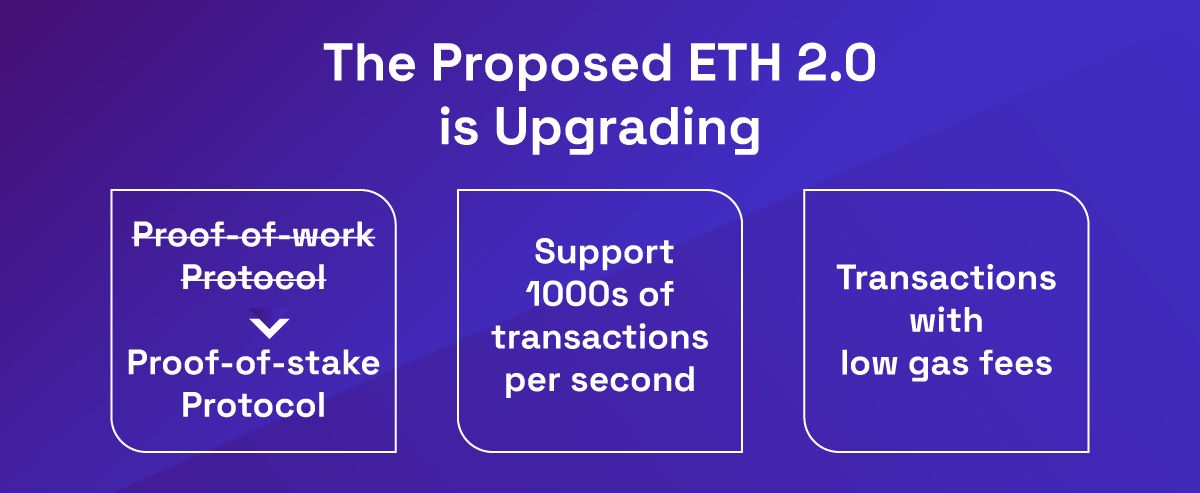
Moreover, high fees could drive users and developers to alternative blockchain platforms with lower transaction costs. Several competing blockchains offer faster transaction speeds and lower fees, such as Solana, Cardano, and Avalanche. If Ethereum fails to address its fee problem, it risks losing its competitive edge and falling behind these emerging platforms. However, the Ethereum community is actively working on solutions to address the issue of high fees. The transition to Proof-of-Stake (Po S) with the Merge is expected to significantly reduce energy consumption and potentially lower gas fees in the long run. Layer-2 scaling solutions, such as rollups and sidechains, offer a more immediate solution by processing transactions off the main Ethereum chain, reducing congestion and gas costs. Furthermore, ongoing research and development efforts are focused on optimizing gas usage and improving the overall efficiency of the Ethereum network. While the future of Ethereum mining fees remains uncertain, the community's commitment to addressing the issue offers hope for a more affordable and accessible Ethereum ecosystem.
Top 5 Myths About Ethereum Mining Fees
Navigating the world of Ethereum mining fees can be confusing, and many misconceptions abound. Let's debunk the top 5 myths: Myth 1: High gas fees mean Ethereum is failing. While high fees are a problem, they don't indicate failure. They reflect high demand for block space and incentivize miners to maintain the network's security. Myth 2: EIP-1559 eliminated high gas fees.EIP-1559 aimed to make fees more predictable, not necessarily lower. While it introduced a base fee burning mechanism, network congestion still drives up overall costs. Myth 3: Gas fees are always exploitative.Gas fees serve a crucial purpose in preventing spam transactions and ensuring the network's stability. Without them, malicious actors could flood the network with low-value transactions.
Myth 4:Layer-2 solutions are too complex for average users. While Layer-2 solutions may seem daunting at first, many wallets and d Apps are simplifying the user experience, making them more accessible to non-technical users.Myth 5: There's nothing you can do to reduce gas fees. On the contrary, there are many strategies you can employ to minimize your gas costs, such as monitoring network congestion, using gas estimation tools, and optimizing smart contract interactions. By dispelling these myths, we can gain a more accurate understanding of Ethereum mining fees and navigate the Ethereum network more effectively.
Question and Answer
Here are some frequently asked questions about Ethereum mining fees:
Q: What is the difference between gas limit and gas price?
A: The gas limit is the maximum amount of gas you're willing to spend on a transaction, while the gas price is the amount of ETH (in Gwei) you're willing to pay per unit of gas.
Q: How can I estimate Ethereum mining fees?
A: Use gas trackers and prediction tools like Etherscan, Gas Now, and ETH Gas Station to monitor current gas prices and estimate the optimal gas price for your transaction.
Q: What are Layer-2 scaling solutions?
A: Layer-2 solutions, such as rollups and sidechains, process transactions off the main Ethereum chain, reducing congestion and gas fees.
Q: What is EIP-1559?
A: EIP-1559 is an Ethereum Improvement Proposal that introduced a base fee that is burned and a priority fee (tip) paid to miners, aiming to make gas fees more predictable.
Conclusion of Everything You Need to Know About Ethereum Mining Fees
Understanding Ethereum mining fees is essential for anyone engaging with the Ethereum blockchain. While gas fees can be a significant obstacle, a comprehensive understanding of their calculation, the factors that influence them, and the strategies for mitigating their impact can empower you to navigate the Ethereum ecosystem effectively. By employing the tips and techniques outlined in this article, you can optimize your transactions, reduce your expenses, and make the most of the opportunities that Ethereum offers. As the Ethereum network continues to evolve, staying informed about the latest developments and scaling solutions will be crucial for managing gas fees and ensuring a sustainable and accessible future for decentralized finance.
